Buying Guides
Shade Percentage vs GSM: Does 70% Shade Mean 70 GSM?
Understand why 70% shade does not mean 70 GSM. Learn how to compare fabric weight, roll dimensions and shade net quotations before ordering.
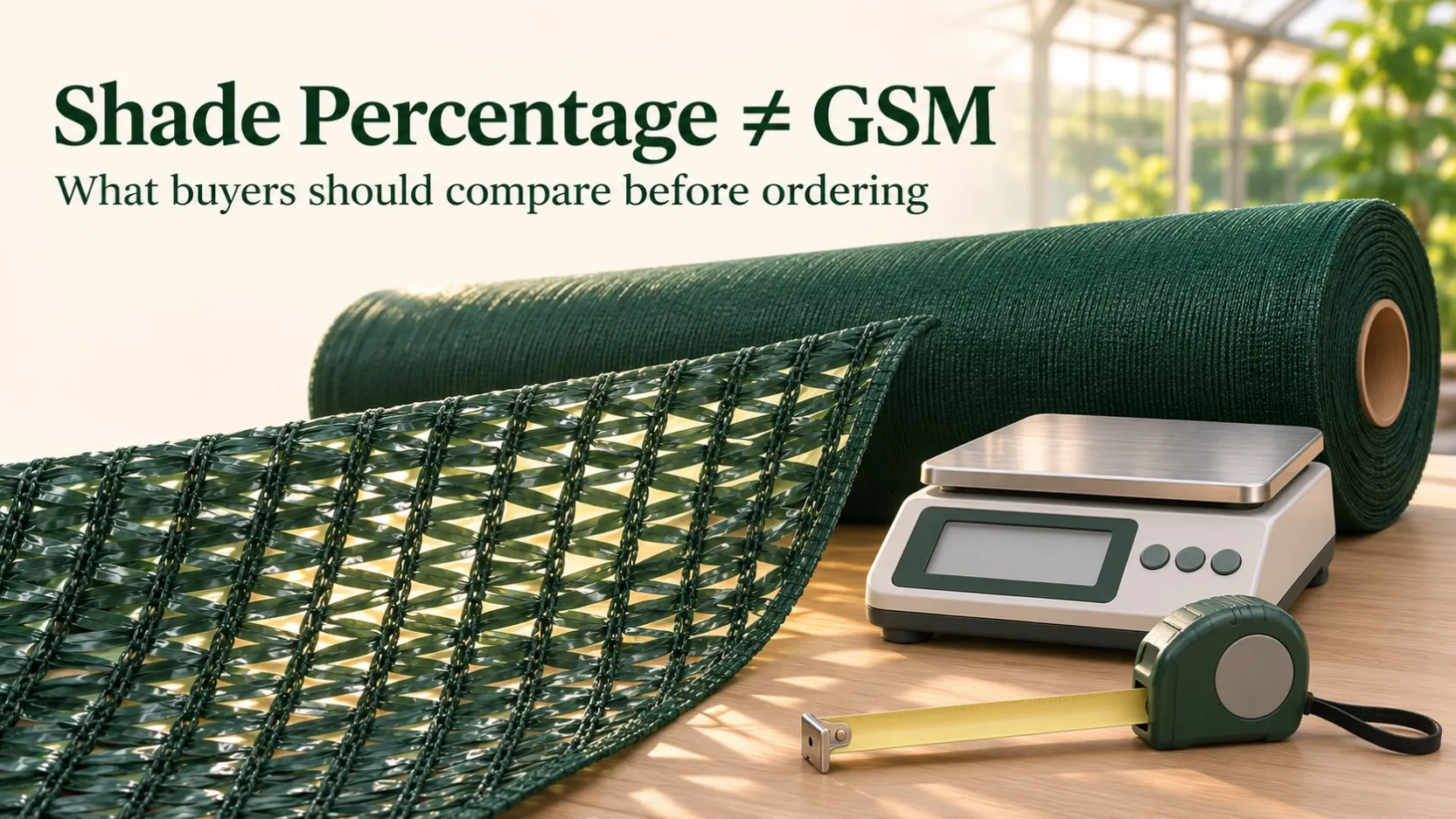
No. A 70% shade rating does not mean the net weighs 70 grams per square metre. Shade percentage describes a light-reduction property under stated measurement conditions. GSM describes fabric mass per square metre. Specify and check them separately before comparing shade net quotations.
In our quotation discussions, some buyers use “70% shade” as though it also specifies 70 GSM. When suppliers propose different fabric weights, comparing the headline prices alone can hide that difference. This guide explains which figures to ask for and shows how the area used in a roll-weight calculation changes the result.
1. What Is the Difference Between Shade Percentage and GSM?
Shade percentage describes light reduction under the applicable measurement method. GSM means grams per square metre: the mass of fabric divided by its area.
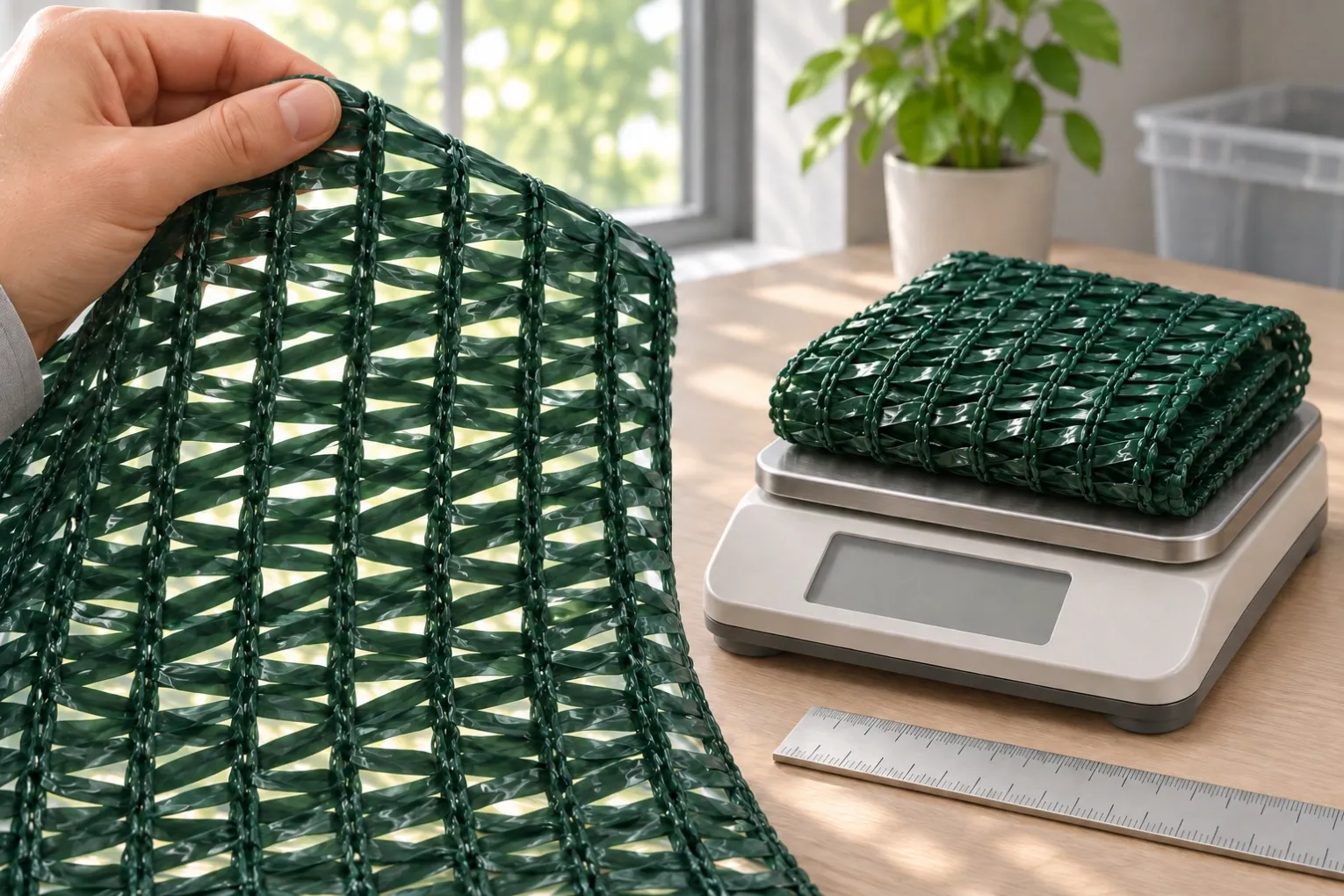
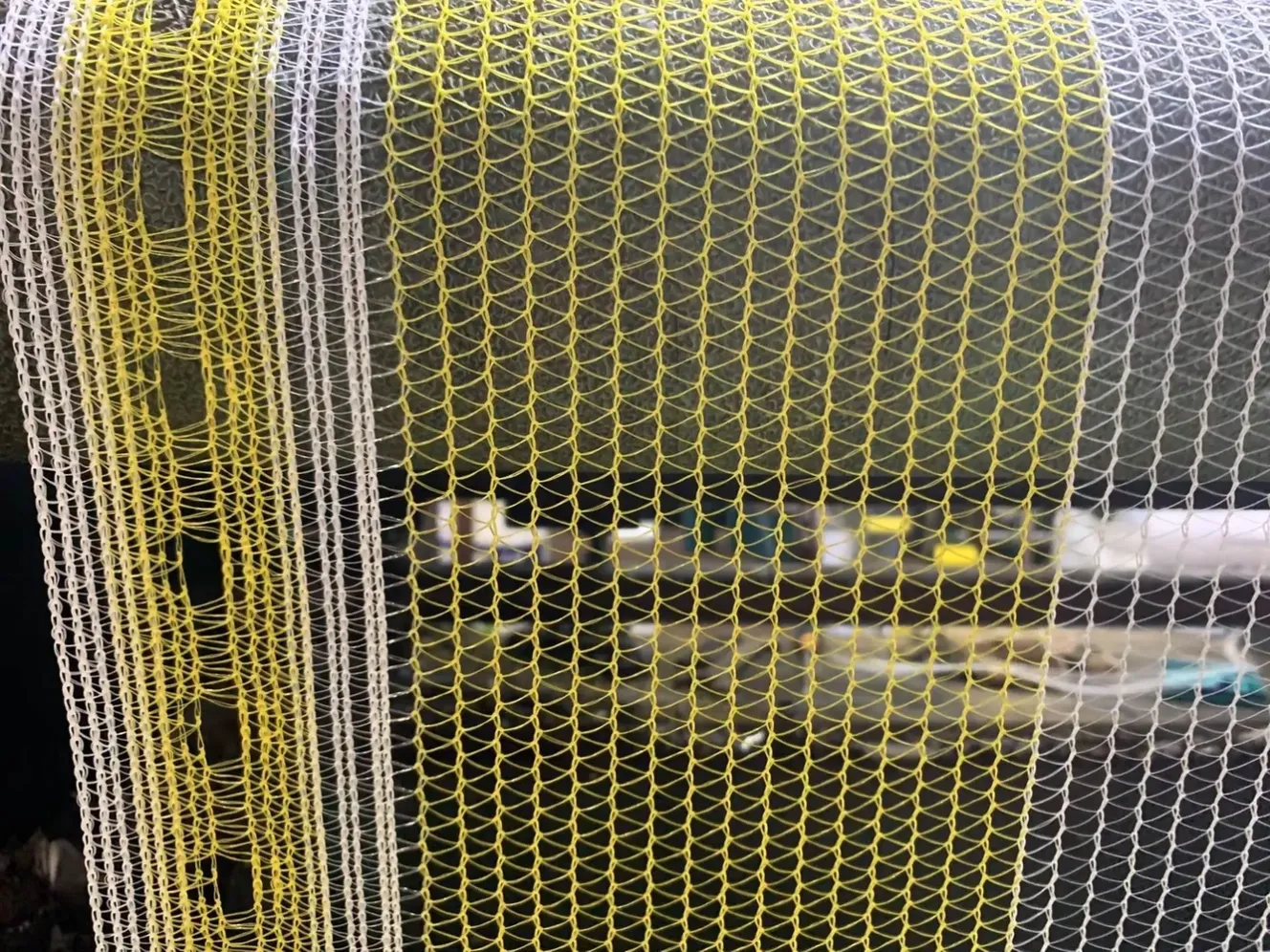
Illustrative scene: light reduction and fabric mass are separate specifications.
Specification | What it describes | What to confirm |
|---|---|---|
Shade percentage | An optical property under stated conditions | Target rating, measurement method and acceptance criteria |
GSM | Fabric mass per square metre | Target weight, mass basis and agreed tolerance |
Dimensions | Width and length supplied | Unfolded width, finished length and measurement conditions |
Roll weight | Mass of the items included in weighing | Whether the core, packaging and finishing are included |
There is no universal conversion from shade percentage to one fixed GSM. Yarn form, construction, colour and measurement conditions can affect the comparison.
Before treating two “70%” labels as equivalent, ask what optical property was measured and how. A nominal label is not a test result. Shade factor, UV blocking and privacy opacity should also be identified separately. For an external example of separate reporting, see GALE Commercial’s fabric product profile. Its figures describe that manufacturer’s fabric, not Kunjie Net products.
2. Why Can Two 70% Shade Net Quotations Have Different Prices?
A shade label leaves much of the order undefined. The offers may differ in GSM, yarn construction, material formulation, UV requirements, dimensions, finishing, packing or delivery terms.
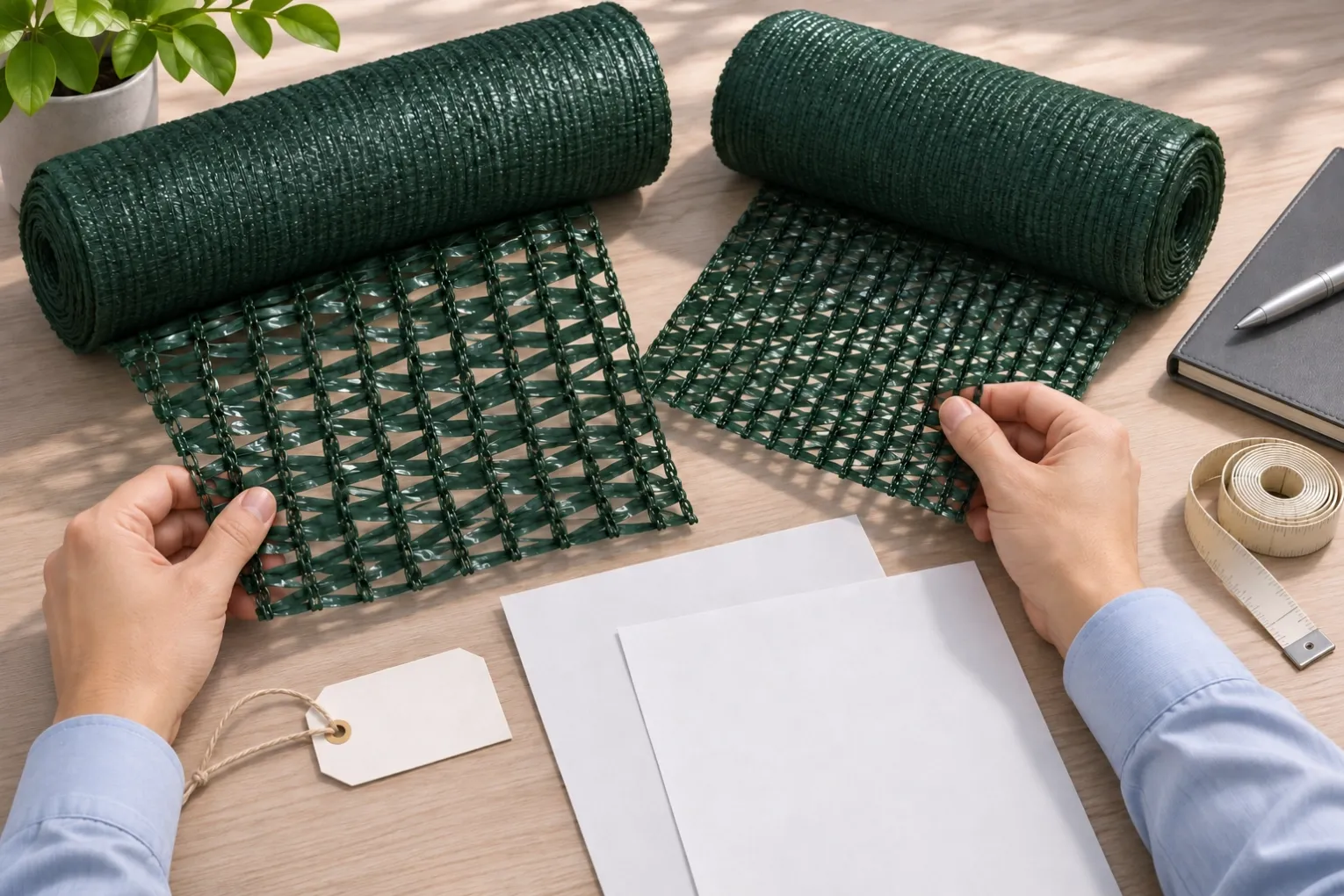
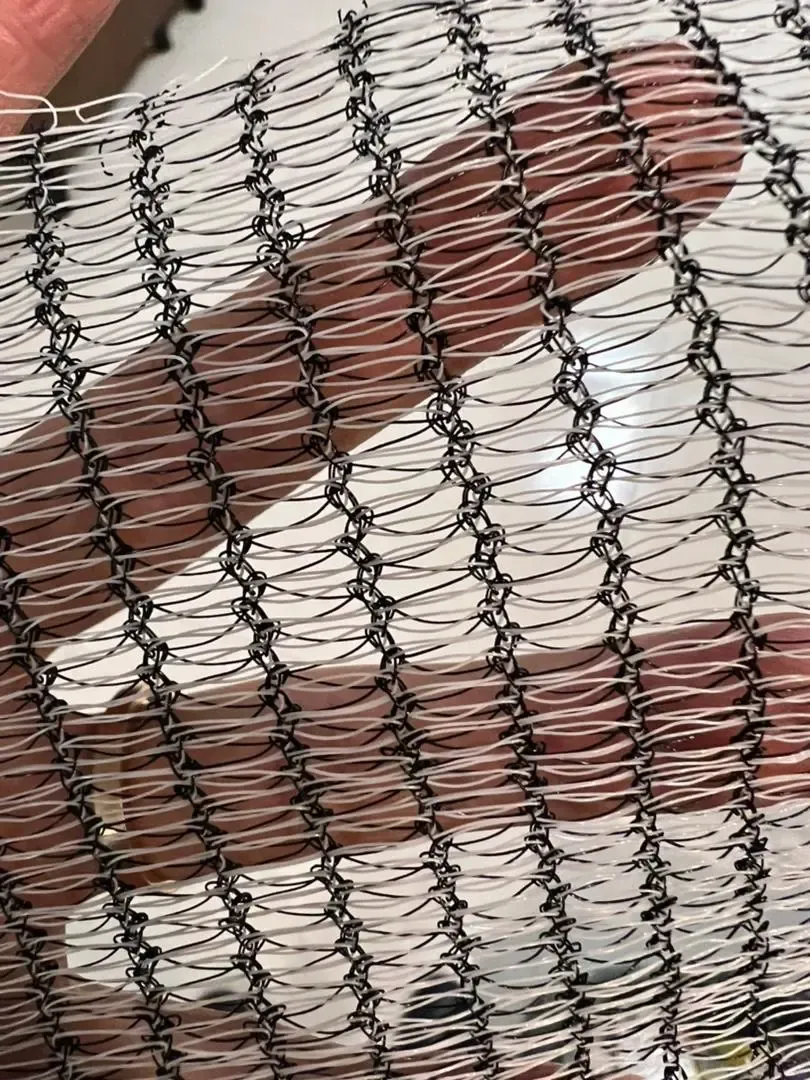
Illustrative scene: compare construction, dimensions and weight basis alongside the quoted price.
In the enquiries we receive, a recurring difficulty is that the buyer supplies a shade percentage without a corresponding GSM requirement. Different suppliers can then propose different weights. The buyer sees a price difference before noticing a specification difference.
Ask each supplier to state these items beside the price:
- Target shade rating and any supporting measurement information.
- GSM, yarn construction and material requirements.
- Unfolded width and finished length.
- Net product or base-fabric weight, with the basis defined.
- Finishing, packing, quantity and delivery terms.
A lower offer does not by itself establish poorer quality. First check whether the quotations describe the same product and supply conditions.
3. How Do Actual Dimensions Change the Calculated Roll GSM?
Average base-fabric GSM = base-fabric mass in kg × 1,000 ÷ measured area in m².
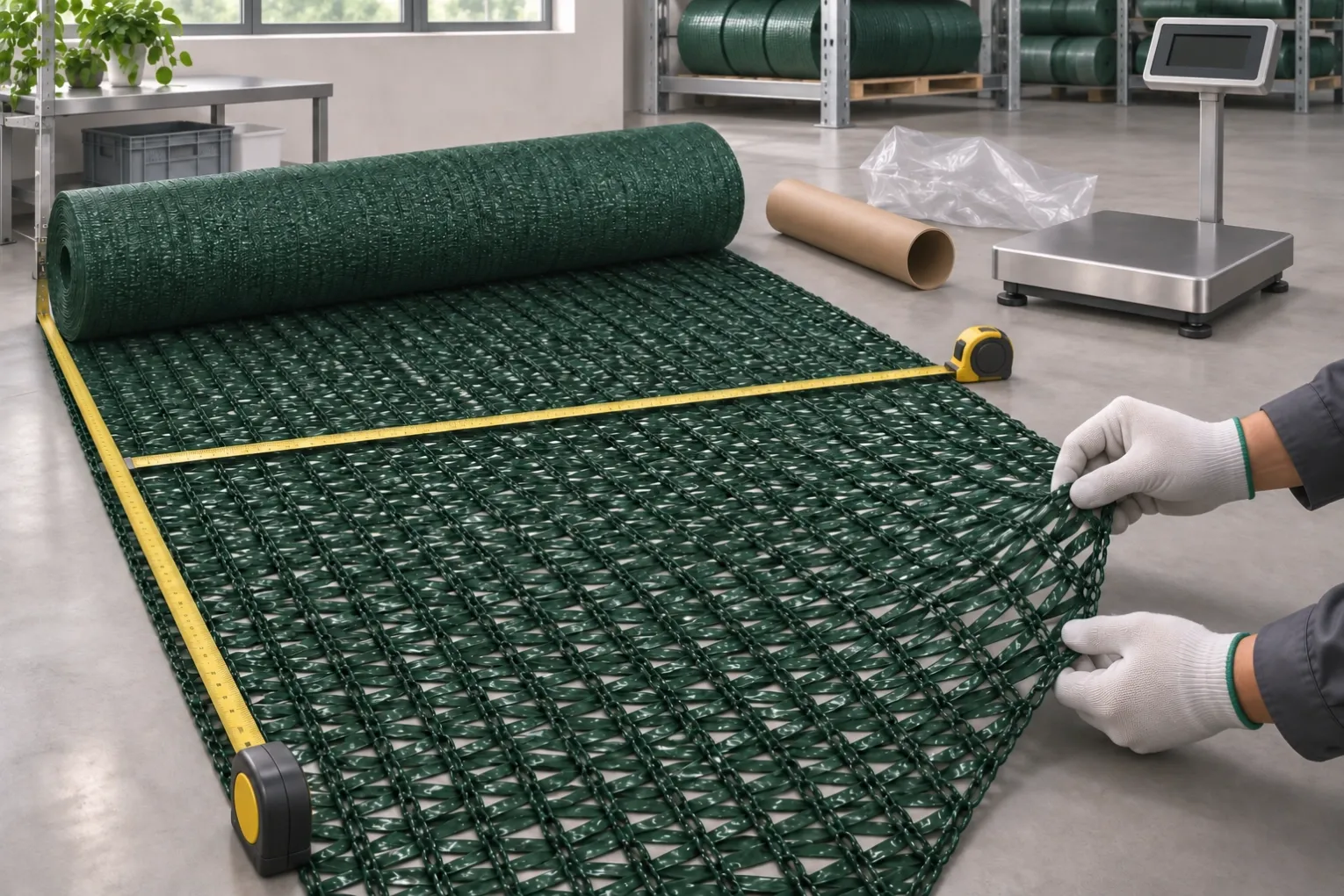
Illustrative workflow only; this scene does not depict the measured roll in the record below.
For a rectangular roll, area equals measured unfolded width multiplied by length. Deduct the core, packaging and separately accounted non-fabric components before using a weight as base-fabric mass.
Our Roll Record: A 50 GSM Target and a Measured Length of 53 m
In a roll check reported by our factory, the target was 50 GSM and the nominal size was 2 × 50 m. The reported measured dimensions were 2 × 53 m. Product net weight was 5 kg and gross weight was 5.5 kg, with no edging or eyelets.
Recorded item | Value or calculation |
|---|---|
Target GSM | 50 GSM |
Nominal dimensions and area | 2 × 50 m = 100 m² |
Reported measured dimensions and area | 2 × 53 m = 106 m² |
Product net weight | 5.00 kg |
Gross weight | 5.50 kg |
Gross-minus-net difference | 0.50 kg; individual packing components were not separately recorded |
GSM using nominal area | 5 × 1,000 ÷ 100 = 50.00 GSM |
Average GSM using measured area | 5 × 1,000 ÷ 106 = 47.17 GSM |
Difference from the target using measured area | −2.83 GSM, approximately −5.66% |
The calculation assumes that the reported 5 kg net weight excludes the core and all packaging. It shows why a roll can match a target weight calculated from nominal dimensions while giving a different average GSM over its measured area.
This is one reported roll record, not an independent laboratory report. Measurement conditions and an agreed acceptance tolerance were not supplied, so it does not establish a pass or fail. Extra length and average GSM must be recorded separately; one does not automatically compensate for the other under an order specification.
A roll average also cannot establish uniformity at every position or prove shade percentage. Any additional sampling and optical verification should follow the agreed inspection method.
4. Does Higher GSM Mean Better Shade Netting?
Higher GSM means more fabric mass for the same area. It does not independently prove a higher shade percentage, greater tear strength or a fixed outdoor service life.
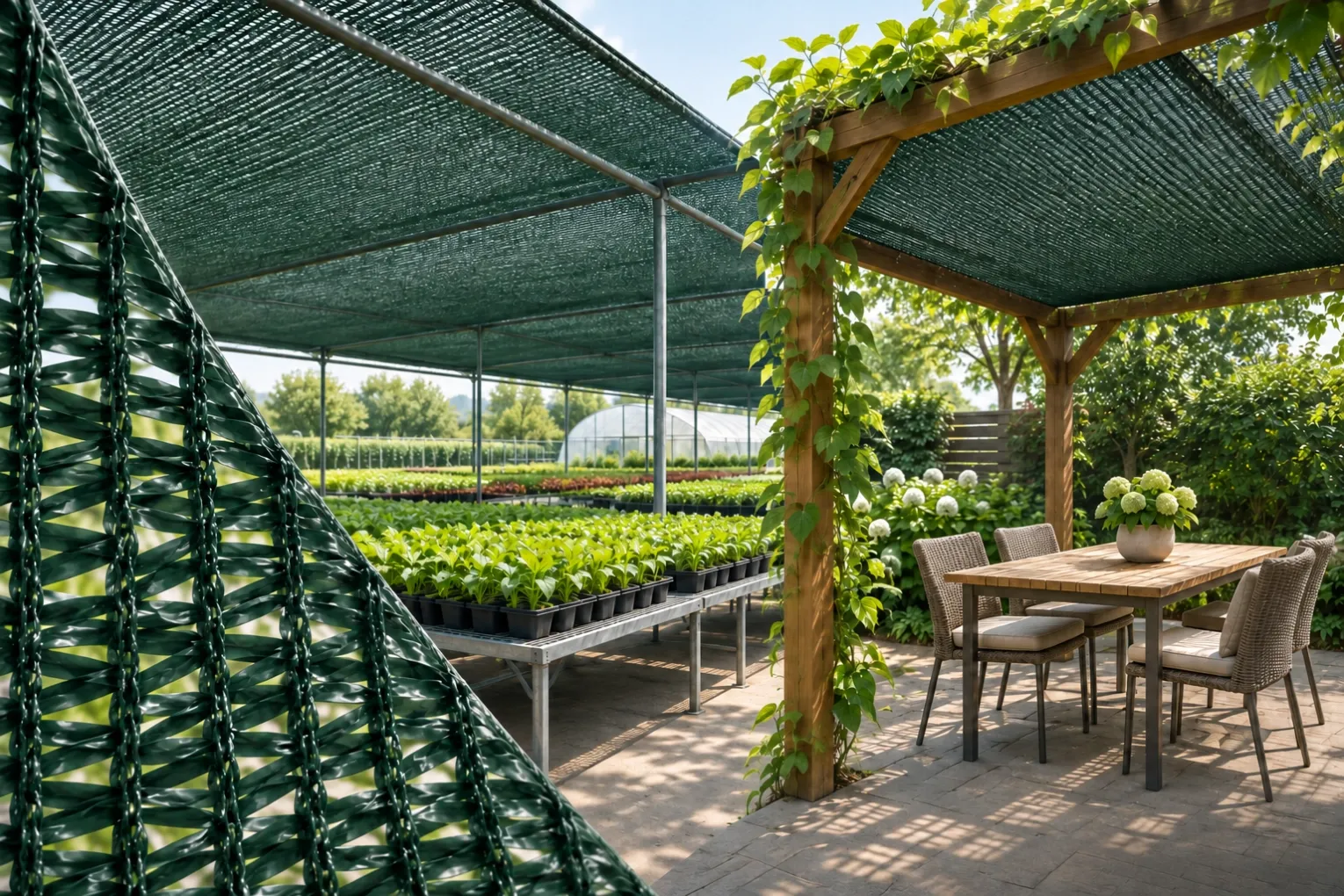
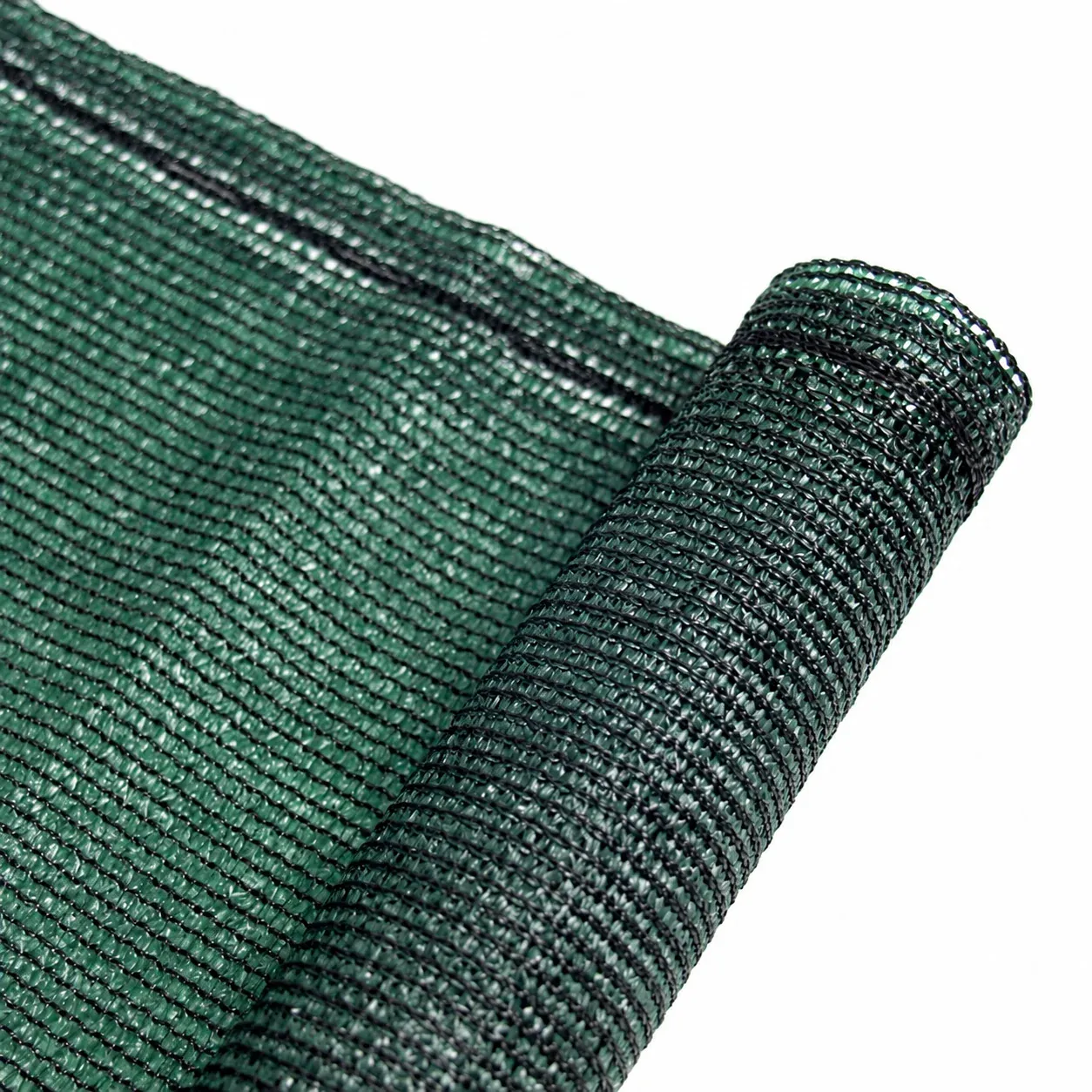
Illustrative applications: confirm the intended growing or outdoor shading conditions before selecting a net.
For an agricultural shade net, confirm the intended crop or use, installation and exposure conditions. For garden or patio shade cloth, also consider the required coverage, handling and fixing arrangement. Then evaluate the proposed material, construction, UV requirements and finishing against that use.
If a supplier offers a heavier option, ask what purchasing requirement it addresses. If strength or durability is part of the specification, request evidence applicable to the quoted product rather than relying only on “heavy duty” or a GSM number.
5. What Should Buyers Send for a Comparable Shade Net Quote?
Send every supplier the same requirement sheet. If GSM is not yet decided, ask for clearly identified options instead of assuming that a shade percentage specifies the weight.
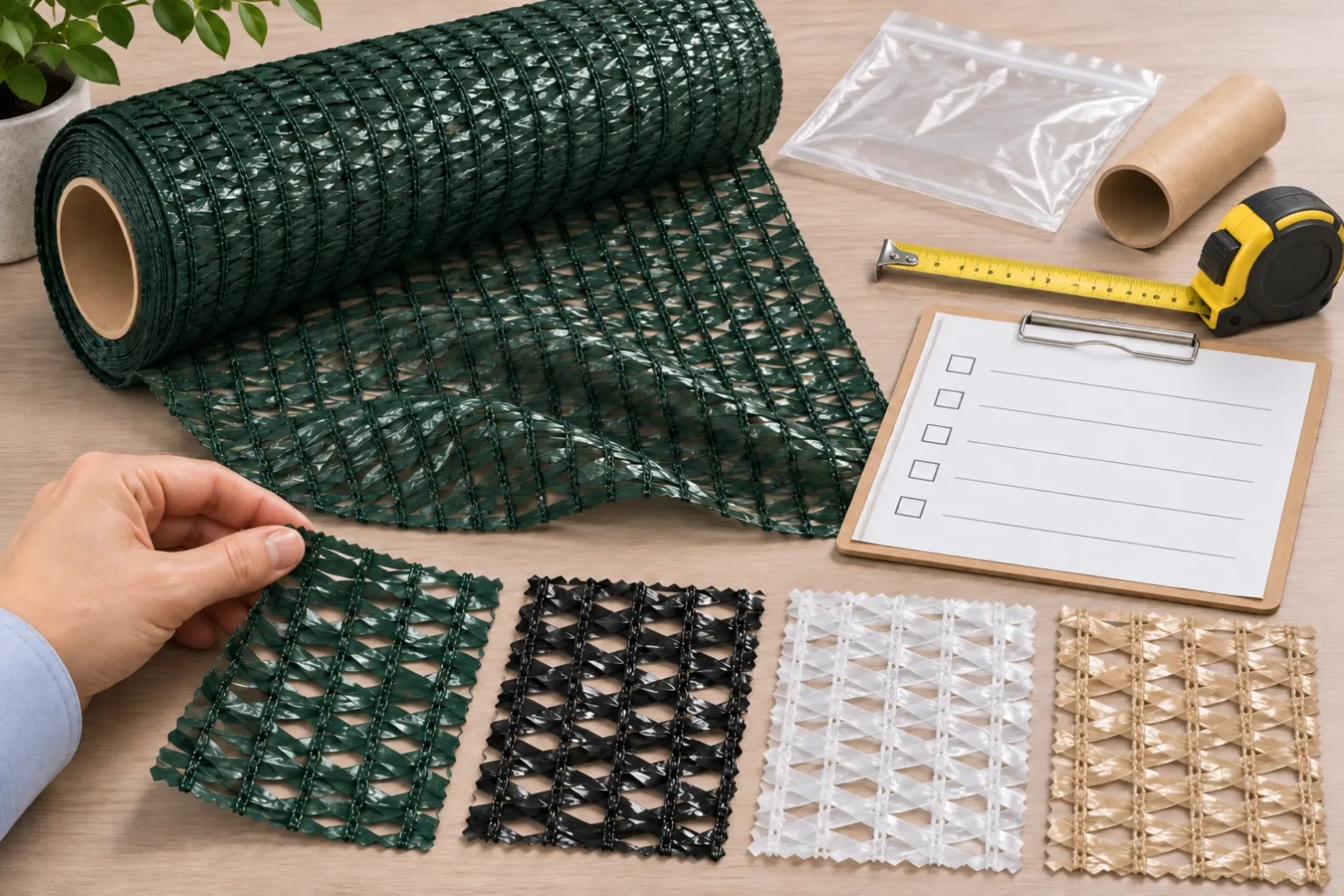
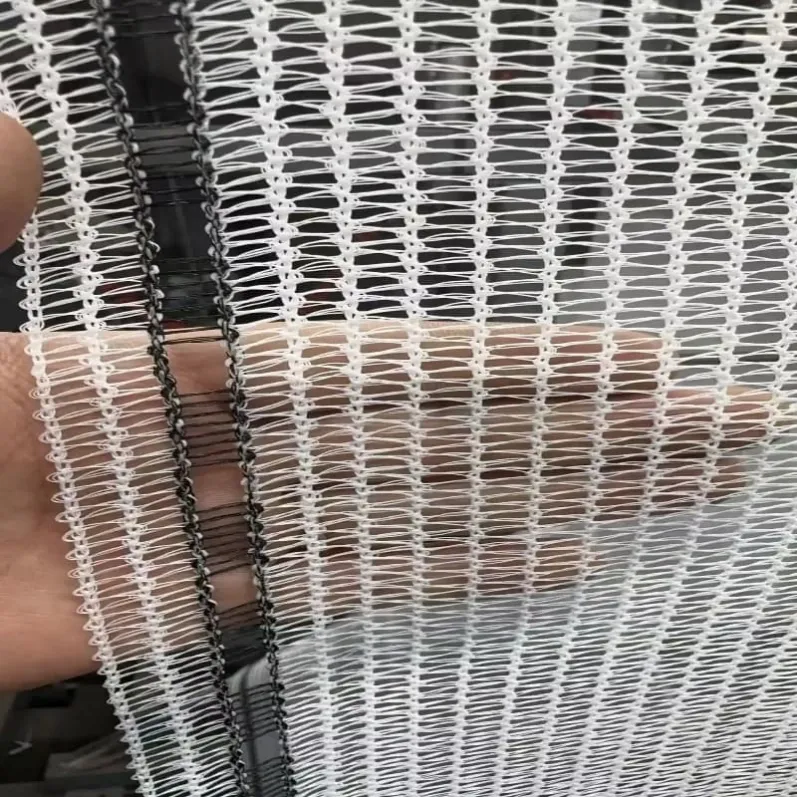
Illustrative RFQ preparation: identify the required fabric, dimensions, finishing and packing.
RFQ item | Information to provide |
|---|---|
Application | Crop, nursery, livestock area, garden or patio; destination and intended use |
Optical requirement | Target shade percentage and any required verification method |
Fabric requirement | GSM, construction, colour and material or UV requirements |
Dimensions | Unfolded width, finished length and quantity by size |
Weight basis | Base fabric or finished product; treatment of core, packing and accessories |
Finishing and packing | Reinforced edges, eyelets, labels and outer packing |
Acceptance | Agreed tolerances, measurement method and approved sample reference |
Commercial terms | Quantity, delivery basis and required shipment timing |
Kunjie Net’s confirmed tape shade net offering covers a 35–95% shade range, 30–320 GSM and widths up to 8 m. Colours include black, white, green, dark green, red and sand. The specific combination must be confirmed for the order; these ranges are not a shade-percentage-to-GSM conversion chart.
View Kunjie Net’s shade net specifications to discuss a product option. An initial enquiry can start with the application and target shade rating, followed by sample and specification confirmation.
Choose the shade requirement for the application, then verify GSM, dimensions and the weight basis separately. This gives both sides a clearer reference for quotation comparison and delivery checks.
Contact Kunjie Net about your shade net requirements, including the intended use, destination, dimensions and quantity.
For the full picture on comparing shade net prices like-for-like, read Does a Lower Shade Net Price Mean Cutting Corners?